Dr Kay Souter comes to my house on a Wednesday afternoon, smartly dressed in a houndstooth blazer and tan pants. Her smile extends past her mouth and into her eyes, which are framed beneath her green rimmed glasses. She is 20 minutes early and hugs me as I open the door. This is not inappropriate as she is my grandmother.
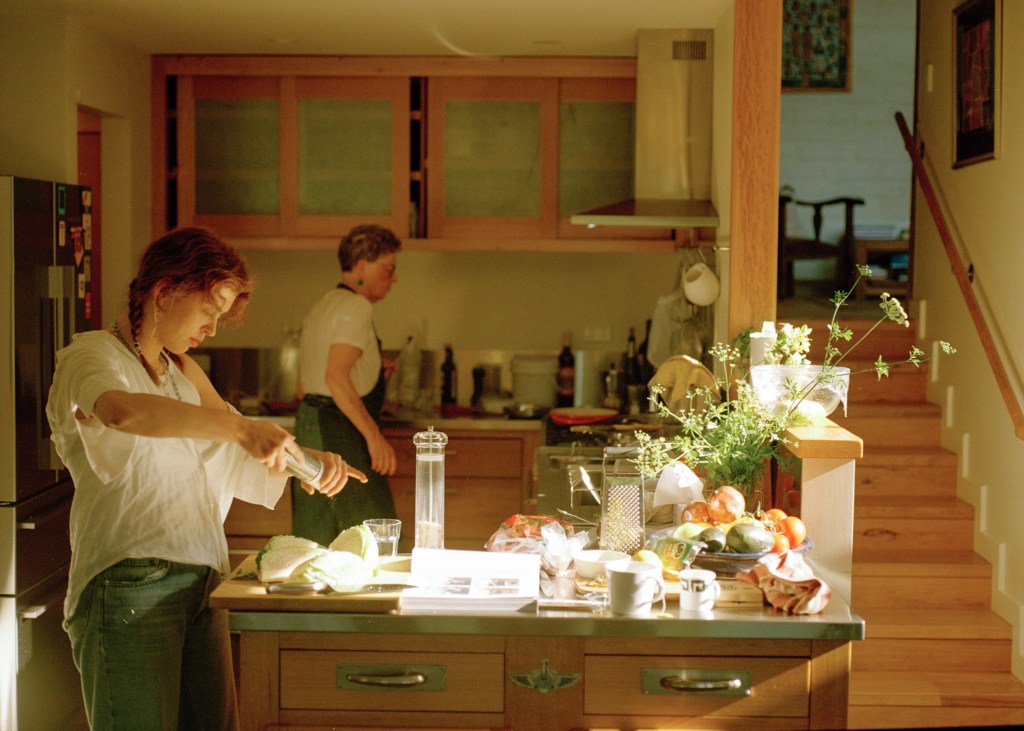
Dr Souter is a highly respected academic who had worked across the fields of psychoanalytic literary theory, representations of the female body and institutional learning development for 40 years before her retirement in 2017.
“Psychoanalysis, literary studies and gender have a long, entwined and often uneasy history. It has been argued that much psychoanalysis, at least as written, has had a literary base in studies of Hysteria,” she explains.
Growing up, I was never aware of her academic achievements. The university was a dusty, carpeted space where I was sent when my parents were busy during the summer holidays. Her overseas conventions were merely opportunities for my sister and I to acquire foreign candy.
She was the architect of my childhood and ingrained a love of cooking and a focus on raw materials into the fabric of my being.
Recently, I have been fascinated with how my Grandma balanced the tensions between her professional practice and personal life.
“In terms of the question about tension between my profession, which was slightly nutty and also highly specific, and my domestic life,” she says pausing, “I was brought up to believe that the personal is political.”
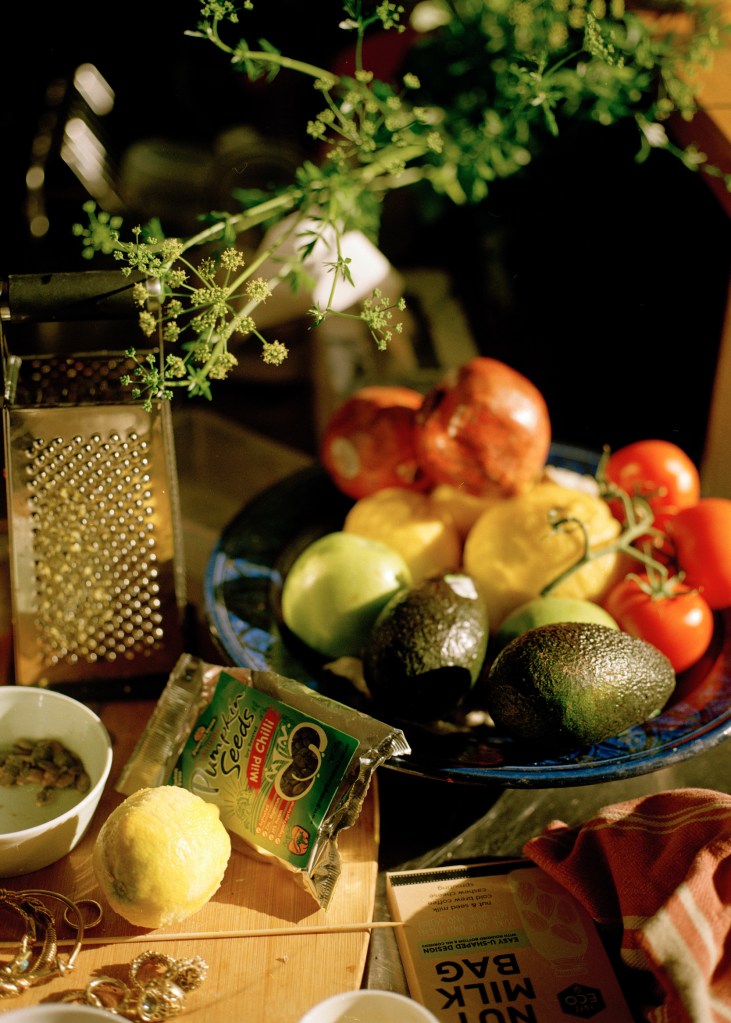
If you were to turn to Germaine Greer’s 1970 book The Female Eunuch, which for many Australians is considered a watershed for second wave feminism, being a woman who exists within the domestic realm takes on a dreary and suffocating tone. The book sketches out an argument where women perform domestic duties for men, not from desire, but rather to fulfil male fantasies of womanhood.
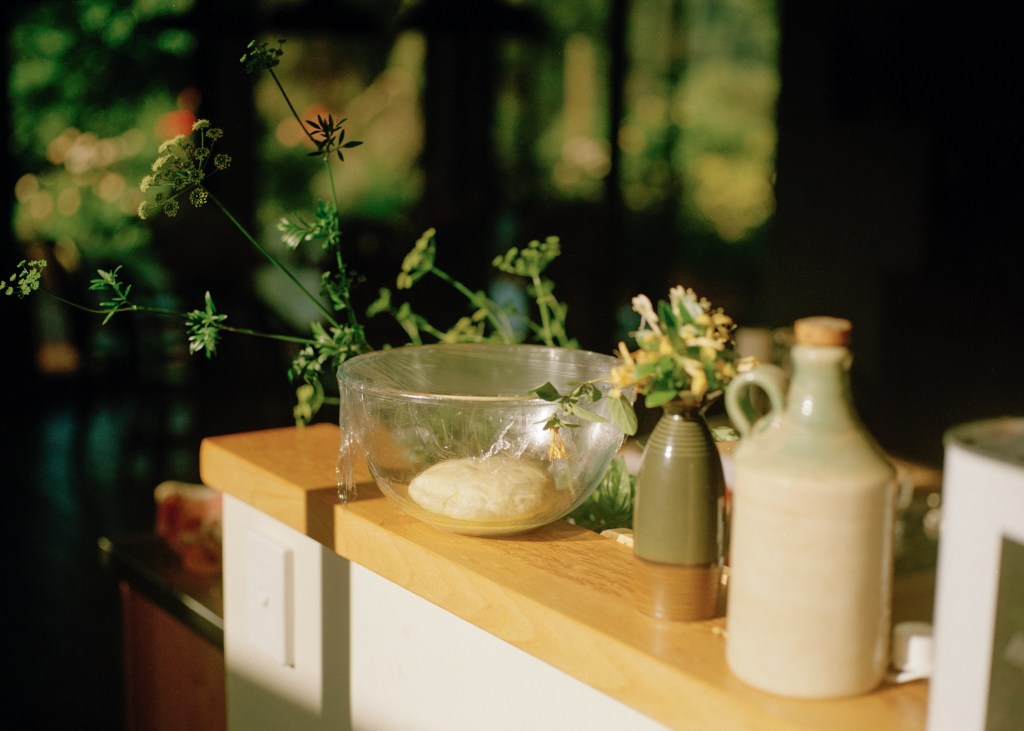
My grandmother, who was one of Greer’s colleagues, interpreted the domestic duty of cooking differently telling me “kitchen work and women cooking together can be very liberating. You’re making peoples bodies, almost like pregnancy; it’s a very important thing to do.”
She continued, “it has been undervalued by society which either super-professionalises it so it’s all about men in cooking schools or super-domesticates it so it’s all about depressed women buying sausages and frying them. But, in the middle, there is this creative and quite revolutionary space.”
“Cooking is like having a submachine gun over your shoulder: it’s like “get out of my way I’m feeding these people.”
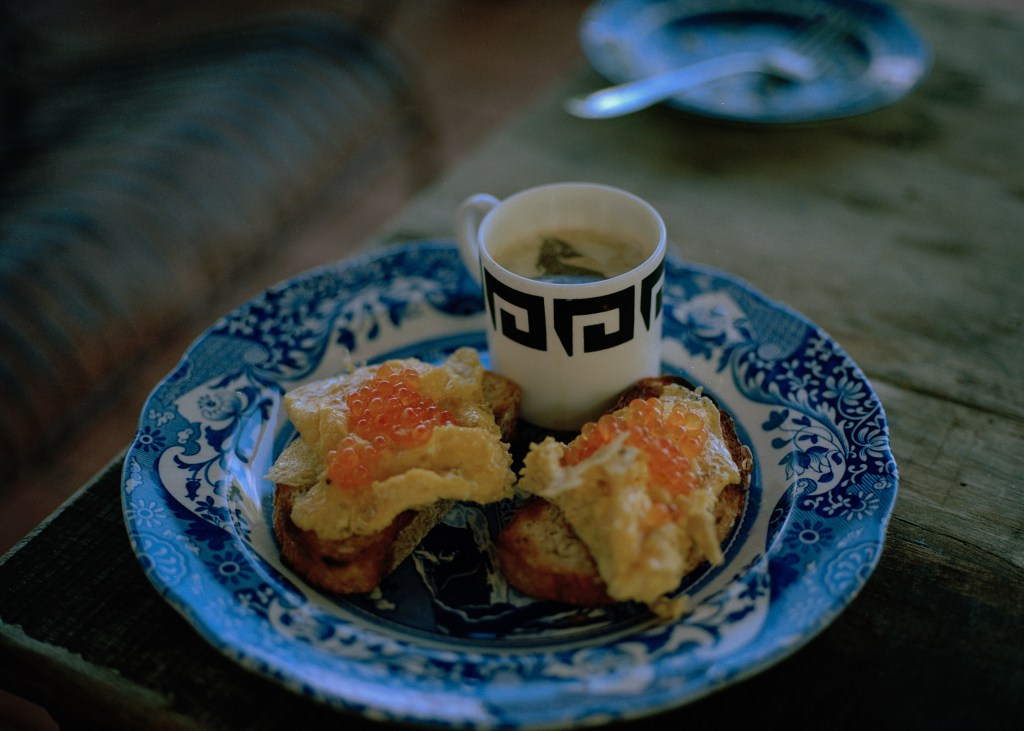
To my grandmother the kitchen is an emblem of creative freedom and independence rather than oppression. Recently, I’ve marvelled at how women were ever allowed free-range of the kitchen. Grandma’s description of cooking as “military-esque” has stuck with me as I have remembered all of the stories I’ve read or been read where a princess/wife/mother/maid kills a cruel king/husband/father/man by poisoning his food.
Our food makes our body and being able to create within that space does not fulfil my understanding of the domestic. Food is revolutionary. It is community. It is play.
While for some it was a symbol of oppression, my grandmother made sure that for her daughters and her granddaughters the kitchen was an emblem of opportunity.
 LILY BEAMISH
Leave a comment